Light pollution from streetlights affects not only our view of the night sky but also wildlife and human health. Cities often overlook this growing issue. We see bright lights that prevent us from experiencing natural darkness. This can disrupt our sleep patterns and hinder astronomical observations. Moreover, some species rely on natural light cues. When these cues are disrupted, it can lead to adverse ecological consequences.
Addressing this challenge is essential. Understanding how to control light pollution from street lights can improve urban living standards. It is crucial to incorporate smart lighting designs. These should focus on using properly directed fixtures that minimize excess brightness. Additionally, cities can opt for adaptive lighting systems. Such systems adjust based on pedestrian and vehicle presence, thus reducing unnecessary light output.
Awareness and education play vital roles. Many local governments lack knowledge about effective strategies. They need guidance from experts in urban planning and environmental science. By fostering collaboration between municipalities and these experts, we can develop effective light management policies. Ultimately, doing so will create a more sustainable environment for both humans and wildlife.
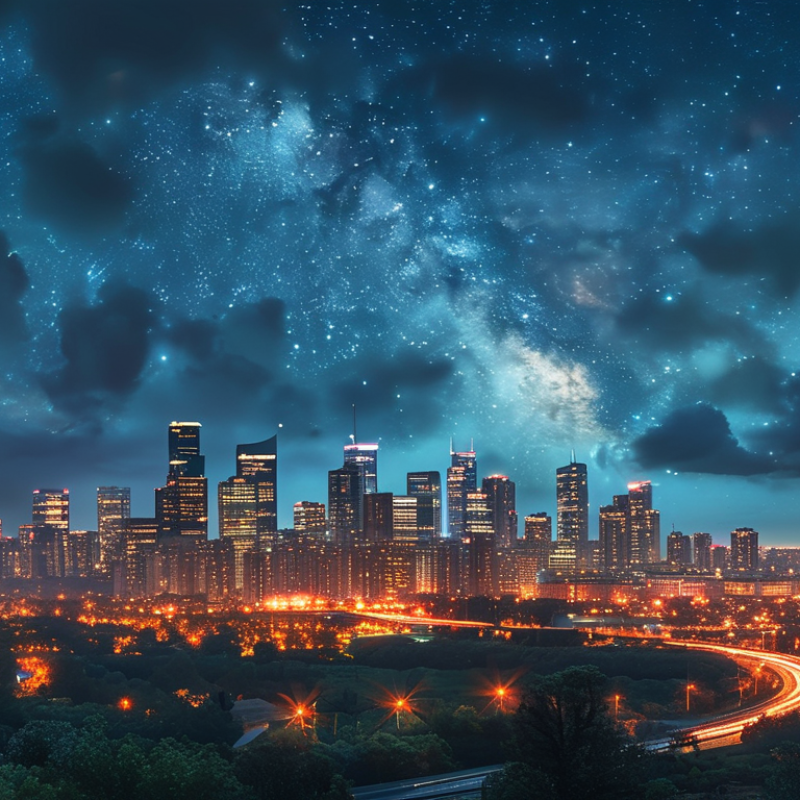
Light pollution from street lights refers to excessive or misdirected artificial light. It disrupts natural darkness, affecting both human health and wildlife. Studies indicate that up to 30% of outdoor light is wasted due to poor design and improper installation. This lighting not only obscures our view of the stars but also impacts nocturnal animals, disrupting their breeding and feeding patterns.
A report by the International Dark-Sky Association highlights that over 80% of the world's population lives under light-polluted skies. City dwellers often notice the effects: insomnia, stress, and even depression can result from prolonged exposure to artificial light. Research shows that well-designed street lighting can reduce these adverse effects, significantly enhancing public safety and well-being.
**Tip:** Opt for "dark sky" compliant fixtures that minimize glare and light trespass. Simple adjustments can drastically reduce pollution.
Furthermore, the economic aspect is often overlooked. Estimates suggest cities waste nearly $3 billion annually on unnecessary street lighting. Addressing this issue through smarter lighting solutions not only conserves energy but also improves community quality of life.
**Tip:** Encourage local municipalities to conduct light audits. This can identify excess lighting and highlight areas for effective change.
| Aspect | Description | Impact |
|---|---|---|
| Definition | Excessive or misdirected artificial light that brightens the night sky. | Affects visibility of stars, disrupts ecosystems, and can harm human health. |
| Main Causes | Over-illumination, poorly designed street lamps, and unnecessary lighting. | Increases energy consumption and contributes to environmental degradation. |
| Health Effects | Disruption of circadian rhythms, sleep disturbances, and potential long-term health issues. | Increased risks of chronic diseases like obesity, depression, and cardiovascular issues. |
| Ecological Impact | Interference with wildlife behaviors, breeding patterns, and migration. | Loss of biodiversity and disruption of natural ecosystems. |
| Solutions | Using shielded lighting, utilizing LED technology, and implementing smart lighting systems. | Reduction in energy costs, improved nocturnal visibility, and better health outcomes. |
: It refers to excessive artificial light that disrupts natural darkness.
It can lead to insomnia, stress, and depression due to disrupted sleep patterns.
Studies indicate that up to 30% is wasted because of poor design.
It disrupts nocturnal animals’ breeding and feeding patterns, affecting ecosystems.
Using shielded fixtures and warmer light tones can minimize disruption.
Smart lighting solutions could save up to $3 billion annually on unnecessary lighting.
They minimize glare and light trespass, reducing overall light pollution.
It helps communities recognize the balance between safety and health concerns.
They often prioritize brightness over the quality of lighting, impacting long-term effects.
Conducting light audits to identify excess lighting is a beneficial step.
Light pollution from street lights is a growing concern that adversely affects human health, disrupts sleep patterns, and harms wildlife and ecosystems. By introducing excessive artificial light into the environment, street lights contribute to issues such as increased stress and sleep disorders among humans while interfering with the natural behaviors of various species. Addressing this issue is crucial for creating healthier urban areas and preserving biodiversity.
To control light pollution from street lights, it is essential to implement technological solutions and best practices, such as using lower-intensity lighting, directing light more effectively, and opting for fixtures that minimize skyglow. By incorporating these strategies, cities can not only enhance the quality of life for their residents but also promote a healthier ecosystem, ultimately benefiting both humans and nature alike.

 Star Lighting