How to Reduce Street Light Glare for Better Visibility?

Time:2026-06-10 Author:Charlotte
0%

Street light glare is a growing concern in urban areas, impacting both safety and quality of life. According to a report by the Illuminating Engineering Society, excessive glare can reduce visibility by up to 50%, making it harder for drivers and pedestrians to navigate. This not only increases the risk of accidents but also affects the overall comfort in public spaces.

Understanding how to prevent glare from street lights is crucial for city planners and communities alike. Innovations in LED technology show promise, as they can be designed to emit light in a way that minimizes harsh reflections. However, many municipalities still rely on outdated lighting systems that contribute to glare issues.

Cities must actively address this problem. Implementing strategies like shielding fixtures and using warmer light temperatures can enhance visibility. Balancing illumination and comfort requires ongoing research and community engagement. There is much work left to reflect on the effectiveness of current initiatives and the adjustments needed to create safer, more welcoming streets.
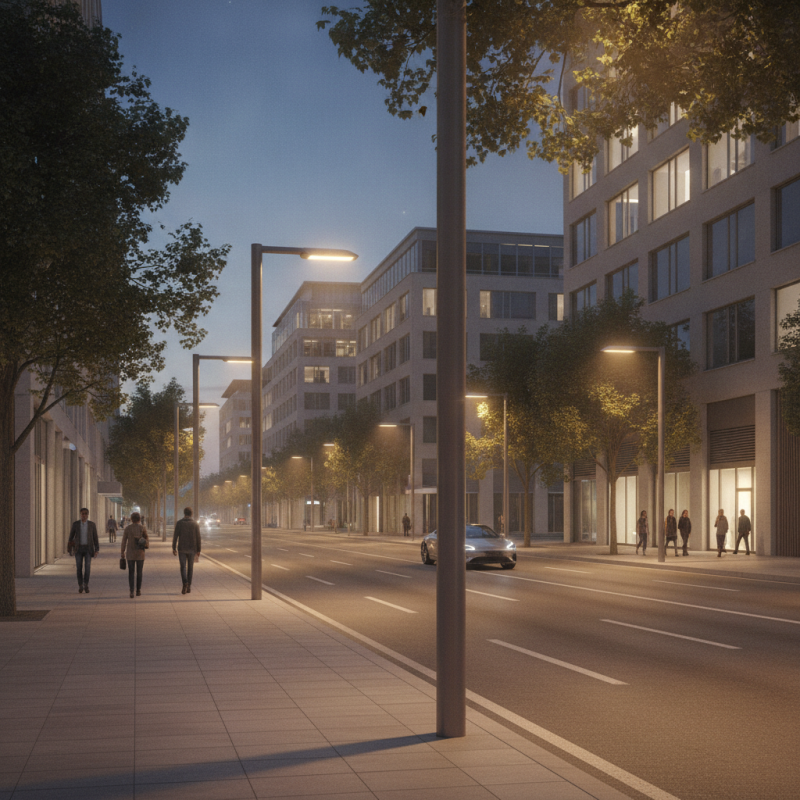
How to Reduce Street Light Glare for Better Visibility?

Understanding Street Light Glare and Its Impact on Visibility

Street light glare is a significant issue in urban areas. It creates a harsh environment that can impede visibility. Drivers and pedestrians often struggle to adjust to sudden bursts of light. This can lead to dangerous situations, like accidents. Glare occurs when light overpowers contrast, making it hard to see. Understanding this phenomenon is crucial for enhancing safety.

Effective street lighting should balance illumination and comfort. Thoughtful design can reduce harsh lighting. Shielding technologies, for example, direct light where it is needed most. Using warmer hues can also soften the impact on the eyes. However, many cities still rely on outdated systems. This often results in unfiltered brightness that causes discomfort. It’s vital for city planners to reassess current lighting solutions and embrace better options.

Community feedback plays a critical role in this process. Residents can share their experiences regarding neighborhood lighting. Their insights can guide improvements, ensuring that visibility is enhanced without the discomfort of glare. Involving local experts in street lighting design is equally important. They can offer professional solutions that balance aesthetics and functionality. A collaborative approach could pave the way for safer streets in many towns and cities.

Common Causes of Street Light Glare in Urban Areas

Street light glare is a common issue in urban areas. It distracts drivers and can hinder visibility for pedestrians. Understanding the causes of this glare can help in finding effective solutions.

One major cause of street light glare is poor fixture design. Many street lights emit light at wide angles, leading to excessive brightness in unwanted areas. This can create harsh contrasts between well-lit and dark areas, making it difficult for people to adjust their eyes to changing light conditions. Additionally, the positioning of street lights plays a significant role. When lights are installed too high or angled incorrectly, they can create uncomfortable glare for oncoming drivers.

Another factor is the use of high-intensity bulbs. These bulbs can be excessively bright, leading to overwhelming light in their vicinity. In some cases, older or poorly maintained lights might have a yellowish tint, which can confuse the brain when transitioning between different light sources. Not all urban areas address these issues, often leading to unsafe conditions.

Strategies to reduce glare require thoughtful planning and innovative design solutions. Investing in better technology is crucial for creating a safer urban environment.

Techniques for Reducing Glare Through Design Improvements

Glare from streetlights can severely impair visibility. To combat this issue, design improvements play a vital role. Using the right fixtures and light sources can make a significant difference. Effective designs minimize light scattering and focus illumination on the roadway.

Consider implementing shielding techniques. Directional lights can help steer light away from unintended areas. This reduces glare for drivers and pedestrians alike. In addition, selecting warmer color temperatures can soften the intensity of light. Warmer lights create a more comfortable environment, improving overall visibility.

When planning street lighting, angle matters. Positioning lights at optimal heights ensures even distribution. This might involve periodic assessments of existing setups. Regular adjustments can enhance light effectiveness and reduce unwanted glare.

Tips for reducing glare include:

  • Use downlighting to control light direction.
  • Incorporate translucent materials to diffuse light.
  • Regularly inspect and maintain fixtures for optimal performance.
By focusing on these design elements, communities can achieve better visibility and improved safety on their streets.

Advancements in Technology to Minimize Light Pollution

Street light glare is a common issue in urban environments. It disrupts visibility for pedestrians and drivers alike. Recent advancements in technology aim to tackle this problem effectively. Innovative lighting solutions focus on directing light downwards, minimizing unnecessary glare. This approach enhances roadway visibility while reducing light pollution.

Smart lighting systems represent a significant leap forward. These systems can adjust brightness based on real-time conditions. For example, dimming lights during low-traffic periods helps reduce glare while saving energy. Additionally, LED technology allows for better color rendering, improving contrast between light and dark areas. However, not all new systems are perfect. Some installations may still cause uncomfortable brightness for nearby residents.

Public research on these technologies remains crucial. Communities must evaluate how to actively engage citizens in decision-making. Feedback can guide the development of better road and street lighting designs. Emphasizing transparency and community input can lead to more effective solutions. This collaborative effort can significantly enhance overall urban safety and comfort.

Community Involvement in Creating Glare Reduction Strategies

Community involvement is crucial in creating effective glare reduction strategies for street lighting. When residents engage in the planning process, their insights can illuminate issues often overlooked by authorities. They know their neighborhoods and can identify specific areas where glare poses a problem. Hosting community meetings can be an excellent way to gather feedback. Neighbors can share experiences and suggest practical solutions tailored to their local conditions.

Collaboration with local experts can enrich these strategies. Urban planners, lighting engineers, and environmental scientists can bring valuable knowledge to the table. Their expertise allows for the exploration of innovative lighting technologies that reduce glare while enhancing safety. Together, communities can explore options such as shielded fixtures or adjustable light intensity. However, it's worth noting that not all ideas will work perfectly. Some solutions may temporarily ease glare but introduce new issues, like reduced visibility in critical areas. Continuous evaluation and adaptation of strategies are important for long-term success.

Community initiatives also foster a sense of ownership and responsibility. When residents actively participate in glare reduction efforts, they are more likely to respect and maintain public spaces. This shared commitment can lead to creative solutions. For instance, residents might organize night walks to identify problematic areas and record their findings. Through collaboration, communities can not only improve street lighting but also enhance the overall quality of life, resulting in more vibrant, safer neighborhoods.

How to Reduce Street Light Glare for Better Visibility? - Community Involvement in Creating Glare Reduction Strategies

Strategy Community Involvement Impact on Glare Reduction Visibility Improvement
Shielding Fixtures Workshops to educate on importance 80% reduction in glare Significant improvement in night visibility
Using Warm LED Lights Community discussions on preferred lighting 60% reduction in glare Better visibility for pedestrians and drivers
Adjusting Light Angles Crowdsourced data on problem areas 50% reduction in glare Moderate improvement in visibility
Implementing Light Timers Community feedback on timing preferences 40% reduction in glare Enhanced visibility during peak hours
Regular Maintenance Volunteering for street light upkeep 70% reduction in aging glare Improved overall street safety

FAQS

: What causes street light glare in urban areas?

: Poor fixture design and incorrect positioning of street lights lead to excessive glare.

Why is poor fixture design problematic?

Fixtures that emit light at wide angles create harsh contrasts, making night vision difficult.

How do high-intensity bulbs contribute to glare?

These bulbs can produce excessive brightness, confusing the eyes in different lighting conditions.

What role does technology play in reducing glare?

New lighting systems direct light downwards and adjust brightness, enhancing visibility and reducing glare.

How can communities get involved in glare reduction?

Residents can host meetings to share their experiences and suggest tailored solutions for local areas.

What should be considered when implementing new lighting technologies?

Continuous evaluation is necessary as some solutions might unintentionally create new glare problems.

How can feedback from citizens improve lighting strategies?

Engaging citizens allows for more effective designs that cater to specific community needs and issues.

What is a potential downside of new lighting systems?

Some installations may still lead to uncomfortable brightness for surrounding residents.

Why is community ownership important in glare reduction?

Engaged residents are more likely to maintain public spaces and respect collective efforts.

Can community initiatives lead to unforeseen issues?

Yes, while some strategies may reduce glare, they could result in visibility problems in crucial areas.

Conclusion

Street light glare can significantly impact visibility in urban environments, leading to safety concerns for pedestrians and drivers alike. Understanding the causes of glare, such as poor fixture designs and excessive brightness, is crucial for mitigating its effects. To address this issue, communities can implement various design improvements, such as adjusting fixture angles and selecting appropriate light sources.

Moreover, advancements in lighting technology offer innovative solutions to minimize light pollution, including adaptive lighting systems that respond to environmental conditions. Engaging the community in creating glare reduction strategies fosters collaboration and ensures that solutions meet the needs of residents. In summary, addressing the question of how to prevent glare from street lights involves a combination of design techniques, technological advancements, and active community participation to enhance visibility and safety in urban areas.

Charlotte

Charlotte

Charlotte is a seasoned marketing professional with a deep understanding of the company's portfolio and a passion for elevating its presence in the market. With a keen eye for detail and a commitment to excellence, she ensures that our professional blog is regularly updated with insightful articles......