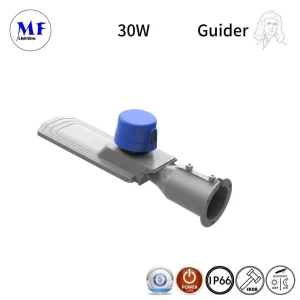
Discover our highly efficient lighting fixtures designed for extreme durability, featuring state-of-the-art radar sensors, smart controllers, and rugged IP65-IP67 protection.
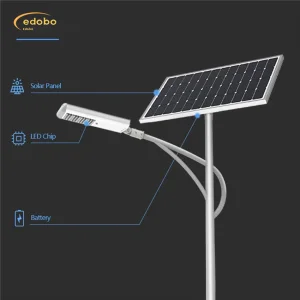
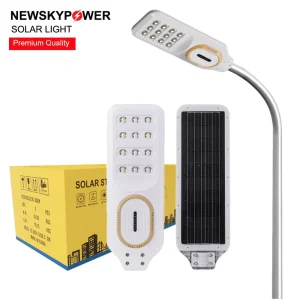
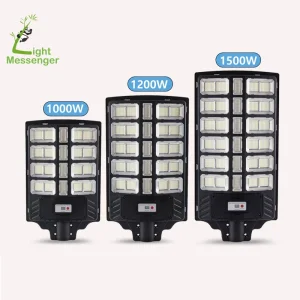
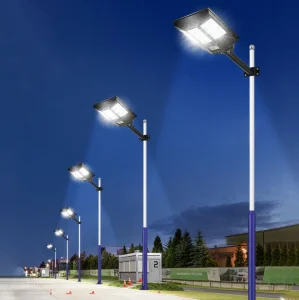
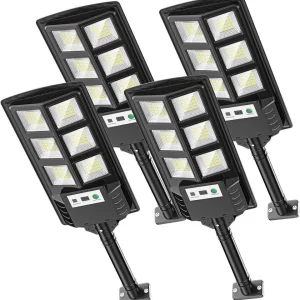
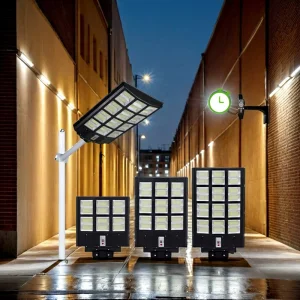
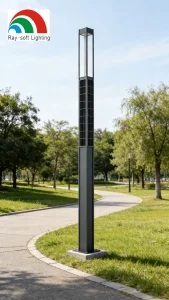
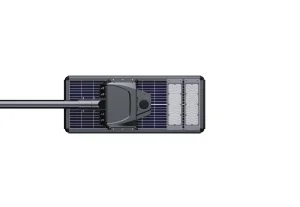
Understanding the technical specifications, sustainability guidelines, and operational frameworks required by international purchasers, municipalities, and commercial projects.
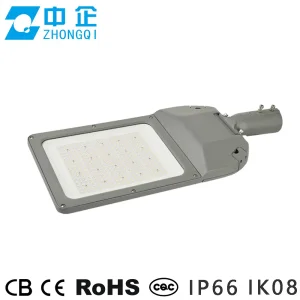
For B2B buyers, product durability is paramount. Systems must feature IP65 to IP67 waterproof standards and IK08 impact resistance to guarantee constant performance in extreme weather conditions such as monsoons, sandstorms, and high coastal humidity.
Large-scale municipal and infrastructure developments increasingly demand zero-emission operations. Monocrystalline PV silicon cells paired with smart MPPT controllers optimize energy conversion rates up to 23%, lowering long-term operating costs.
Modern developers specify IoT-enabled lighting nodes (DALI-2, NEMA, Zhaga). Incorporating intelligent dimming schedule, remote diagnostic reporting, and ambient sensor capabilities reduces carbon footprint and enhances urban safety.
Jiangsu Star Lighting Technology Co., Ltd. operates as a leading integrated manufacturer. We leverage heavy industrial fabrication equipment, advanced software modeling, and comprehensive Quality Assurance to design lighting solutions that withstand the test of time.
Jiangsu Star Lighting Technology Co., Ltd. is an integrated urban lighting service provider. We combine state-of-the-art product research and development, custom optical and industrial design, high-volume production, engineering implementation, and lifetime operation & maintenance support.
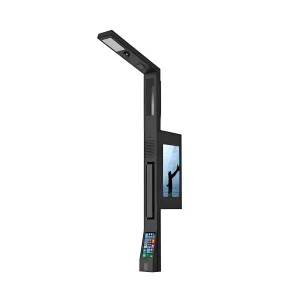
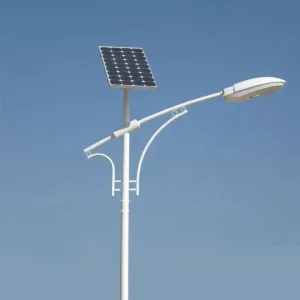
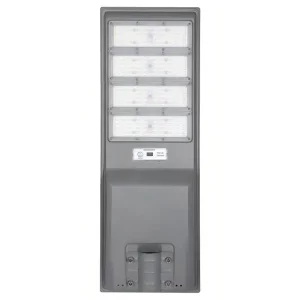
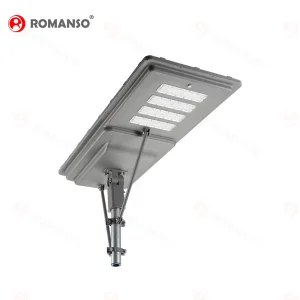
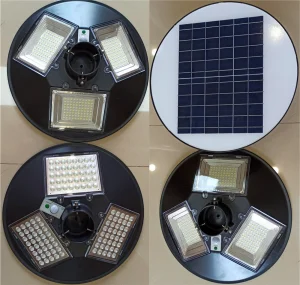
We produce architectural & functional road systems: solar street lights, high-efficacy LED road lamps, multi-functional smart poles, high mast floodlights, courtyard poles, landscape structures, wind-solar hybrids, traffic signals, and custom administrative signage systems.
By blending technological utility with environmental aesthetics, our systems ensure urban visual harmony while minimizing municipal power grid dependencies.
Ensures structural integrity and precise photometry before manufacturing.
From sheet metal rolling and welding to dual-stage powder coating.
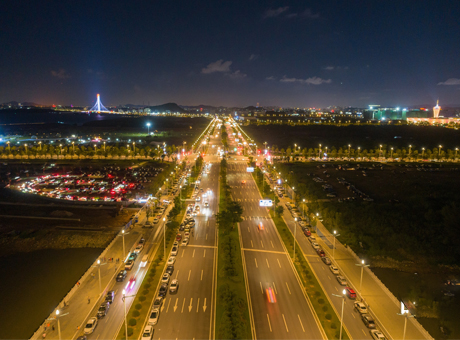
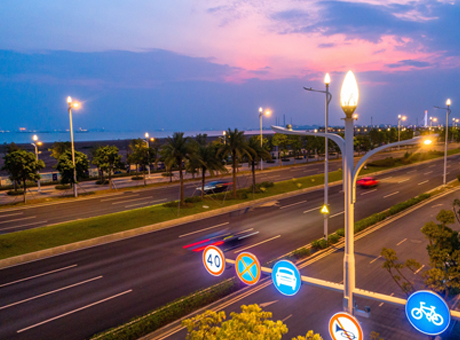
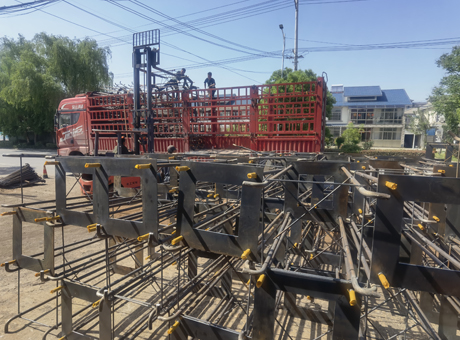
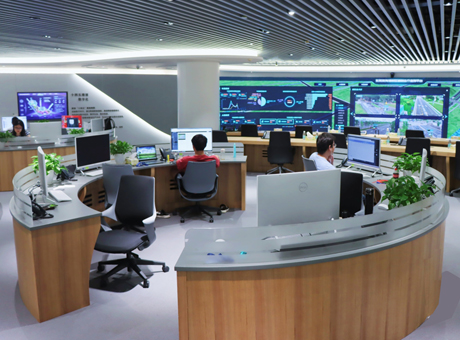
Our R&D department continues to push the boundaries of energy efficiency, structural resilience, and hardware durability. Explore our technical timeline.
Perfected the co-generation wind-solar street poles. Transitioned key optics to custom PMMA lenses providing 200 lm/W light output, while upgrading structural wind-load tolerances for coastal installations.
Integrated intelligent radar sensor profiles, smart MPPT solar charge controllers, and remote cloud diagnostic platforms. Realized adaptive dimming schedules based on natural weather variables.
Deploying Zhaga/NEMA standard nodes across all models. Supporting 5G micro-base stations, integrated environmental sensors, LED informational screens, and public safety broadcast channels.
Ensuring our products seamlessly integrate with international grids, pass strict local safety standards, and survive rough maritime shipping environments.
Every lighting fixture goes through high-pressure water testing (IPX6/IPX7), optical integrating sphere testing for lumen performance, color rendering (CRI), and thermal dissipation tests under elevated temperature profiles.
We support B2B compliance by certifying products to CE, RoHS, ISO 9001, and ISO 14001 specifications. Our structural components are hot-dip galvanized and powder coated to resist salt-fog erosion according to ASTM standards.
LiFePO4 and Lithium-ion battery modules are packaged in flame-retardant enclosures and certified under UN38.3 standards for secure, compliant air and sea freight logistics globally.
Crucial technical answers to help electrical contractors, landscape architects, and procurement officers make informed infrastructure decisions.
Our split and integrated solar systems utilize LiFePO4 (Lithium Iron Phosphate) battery chemistry, providing over 2000-3000 charge-discharge cycles. Under normal conditions, they remain operational for 8-10 years, compared to traditional lead-acid options that typically fail within 2-3 years.
Radar sensors emit high-frequency electromagnetic waves to detect movement through wind, rain, and snow, covering a broader area (up to 12 meters). PIR (Passive Infrared) sensors only detect body heat signatures, which can fail in environments where ambient temperatures approach human body heat.
Hot-dip galvanization bonds zinc to carbon steel at the molecular level, creating a durable coating that resists mechanical wear and atmospheric corrosion. This prevents rusting and preserves structural strength for over 25 years in damp coastal regions.
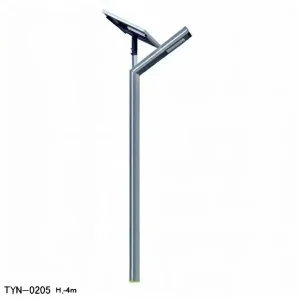
By combining wind turbines and solar modules, hybrid fixtures capture energy in varied conditions: wind power operates at night and during storms, while solar modules charge on sunny days. This ensures constant power supply, making it ideal for isolated locations.
Explore our specialized catalog, featuring windproof components, hybrid streetlights, and smart dimmable controllers.
 Star Lighting