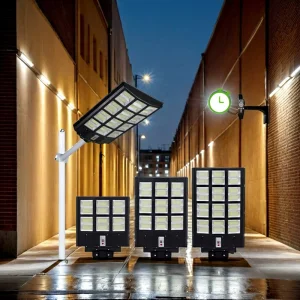
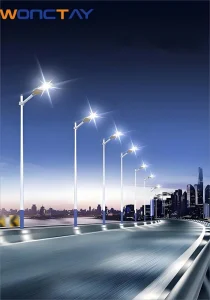
Engineered specifically to operate autonomously under severe localized thermal variations and coastal high-salinity atmospheres.
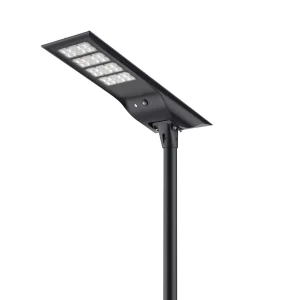
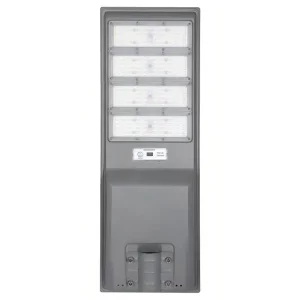
Decentralized municipal and industrial solar infrastructures provide continuous operations during centralized power fluctuations.
Venezuela presents a unique energy paradigm. Despite sitting on vast domestic fossil reserves, the national electricity system (SEN - Sistema Eléctrico Nacional) experiences continuous, localized transmission interruptions and voltage fluctuations. This creates challenges for public administration, shipping port operators, and industrial zones in Barquisimeto, Maracaibo, and Valencia.
To bypass the reliability issues of grid-tied municipal lighting, local administrations and private industrial parks are rapidly adopting autonomous high-efficiency solar street lighting systems. Utilizing off-grid lighting allows public squares, highways (such as the Autopista Regional del Centro), and commercial centers to remain illuminated during grid anomalies, promoting public safety and active commerce.
However, the Venezuelan environment is demanding. Key considerations include:
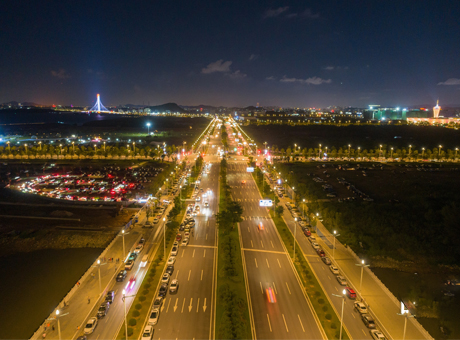
Advanced smart controls and high efficiency parameters are driving the next wave of infrastructure development.
The global commercial outdoor lighting industry is shifting from simple, passive illumination tools to highly integrated, intelligent grid assets. The core development focus revolves around maximizing Luminous Efficacy (lumens per watt) while extending device lifespans to minimize municipal maintenance budgets.
Innovations like IoT-enabled Central Management Systems (CMS) via LoRaWAN, NB-IoT, and smart radar sensors allow nodes to adjust dimming profiles dynamically. By operating at full capacity only during high-traffic intervals and dropping to 30% during low-traffic periods, modern systems decrease battery discharge depths, lengthening the total product lifetime. These capabilities align directly with local procurement targets aiming to optimize public investments.
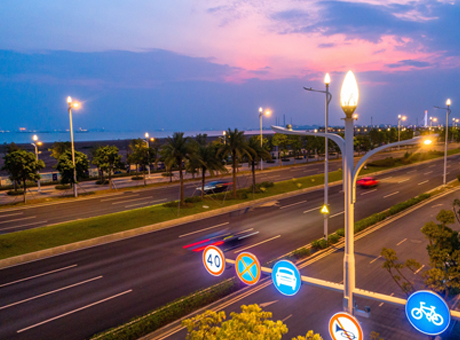
Custom configurations mapped out for unique regional infrastructure requirements.
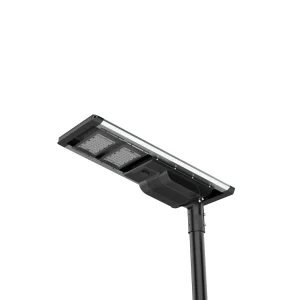
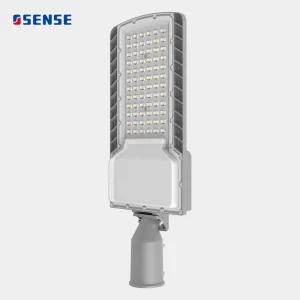
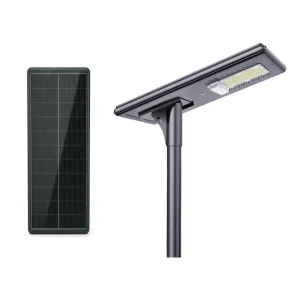
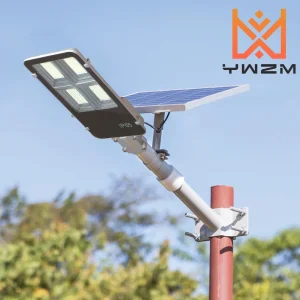
For high-speed arterial connections like the Autopista Regional del Centro, high-efficacy LED street lights (210lm/W) provide reliable visibility. By utilizing split solar architectures, photovoltaic panels can be angled towards optimal Southern sky geometry to secure steady power generation.
Operating environment at locations like Puerto Cabello exposes luminaires to continuous ocean spray. Our marine-grade IP66 and IP67 designs feature non-corrosive, salt-resistant aluminum housings and multi-layer protective finishes to resist aggressive chemical corrosion and preserve optical clarity.
Deep inland mining corridors within Bolívar and the Orinoco belt rely on self-contained lighting. Integrated solar systems equipped with MPPT intelligent charge controllers function independently of remote power grids, featuring robust battery storage to sustain multiple nights of illumination through heavy seasonal rainfall.
Residential plazas and pedestrian walkways require safe illumination levels. By combining smart radar motion sensors with solar configurations, these units deliver energy-efficient security lighting that shifts into peak brightness as pedestrians approach.
How Jiangsu Star Lighting Technology Co., Ltd. delivers high-performance lighting solutions through state-of-the-art engineering.
Jiangsu Star Lighting Technology Co., Ltd. is a comprehensive urban lighting service provider integrating design, R&D, production, manufacturing, and maintenance operations. Our manufacturing center is equipped to build highly durable installations suited for the South American climate.
Our industrial production capabilities feature:
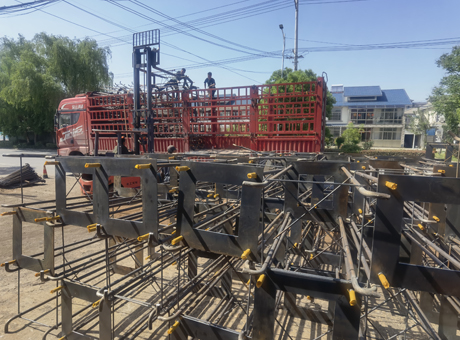
Every element of our street lights is engineered to withstand long-term tropical exposure.
For long-term reliability in South American operations, solar street lights must avoid the common design pitfalls that lead to early system degradation. Our designs target these failure modes with specific component choices:
Photovoltaic Systems: Monocrystalline silicon cells are treated with anti-reflective and PID-resistant layers. This maintains optimal conversion rates even under hazy skies and high operating temperatures.
Advanced Charge Control: Smart MPPT (Maximum Power Point Tracking) controllers automatically adjust charging parameters, ensuring up to 98% tracking efficiency. Built-in temperature sensors dynamically scale charge profiles to protect battery health during peak midday heat.
Energy Storage: Lithium Iron Phosphate (LiFePO4) battery packs are housed in IP67-sealed cast aluminum boxes. These arrays offer thermal stability up to 60°C and support deep discharge cycles for over 2,000 runs, outlasting traditional lead-acid alternatives.
LED Luminaires: High-density SMD matrices are paired with pure copper circuit boards and aluminum heat sinks to draw heat away from the chips, protecting light output levels over years of service.
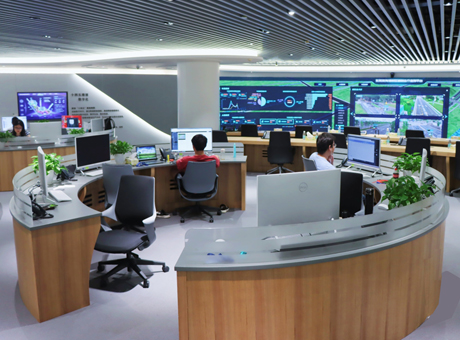
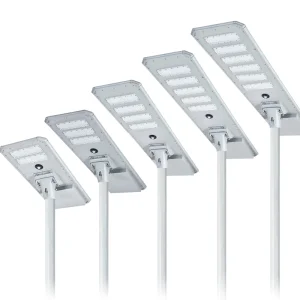
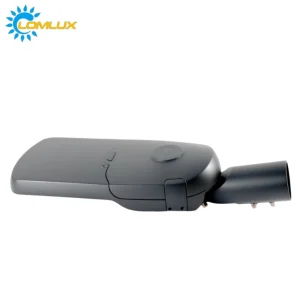
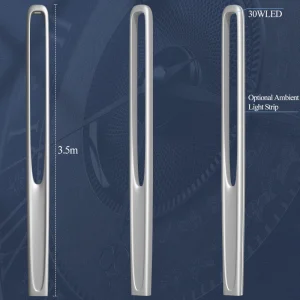
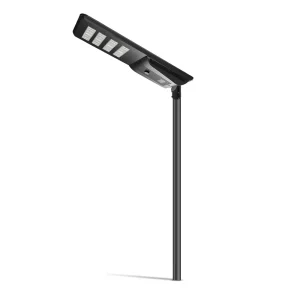
Browse our complete export lineup designed for municipal tenders, highway upgrades, and industrial lighting programs.
Answers to technical and logistical inquiries regarding imports, deployments, and systems operation in Venezuela.
Connect with our technical design team to specify dimensions, determine solar array requirements, and review custom luminaire designs for your local application.
Send Inquiry Now Star Lighting