Engineered with high lumen output and advanced ingress protection (IP66/IP67) to withstand equatorial UV loads and marine atmosphere.
Developing resilient public infrastructure within Kiribati presents complex, multi-dimensional challenges for electrical engineers and municipal planners. The nation's geography—consisting of 33 low-lying coral atolls and reef islands dispersed over 3.5 million square kilometers of the central Pacific Ocean—subjects outdoor lighting systems to some of the most aggressive natural environments on Earth.
First and foremost is corrosion management. Continuous exposure to high-salinity air, ocean spray, and high humidity levels accelerates galvanic corrosion on steel, aluminum, and even lower-grade alloys. Conventional iron and ungalvanized steel posts degrade rapidly, compromising safety and visual aesthetics. Secondly, the extreme solar irradiance and tropical heat demand robust thermal management inside LED housings to prevent diode degradation and driver failures.
Furthermore, Kiribati’s energy architecture is undergoing a strategic shift from diesel-based microgrids to decentralized solar generation. Outdoor municipal, garden, and street lighting represent significant opportunities for carbon mitigation and energy security. Selecting the proper lighting system requires balancing upfront capital expenditure (CAPEX) with long-term operational resilience (OPEX).
Maximizing raw photovoltaic absorption through monocrystalline solar modules with efficiency quotients above 21%.
Electrostatically applied powder coatings and hot-dip galvanized substrates designed for ISO 12944 high-salinity zones.
Smart MPPT charging and high-density LiFePO4 batteries ensure continuity during extended cloudy periods.
An integrated urban lighting manufacturer leveraging advanced automation to deliver heavy-duty commercial outdoor lighting worldwide.
As an integrated municipal lighting manufacturer, Jiangsu Star Lighting Technology Co., Ltd. coordinates product R&D, lighting design, high-volume production, and post-installation support. Underpinned by ISO 9001, ISO 14001, and OHSAS 18001 standards, our industrial facilities accommodate complex projects ranging from multi-lane urban highways to coastal resort walkways.
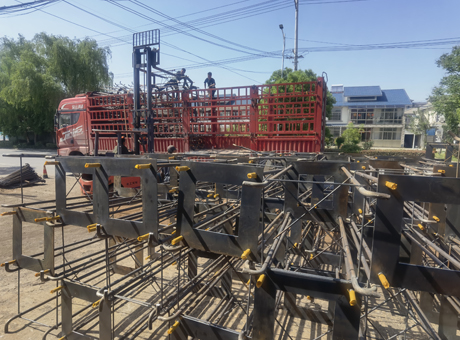
Our heavy manufacturing floor features a 1200-ton automatic CNC hydraulic 16-meter forming bending machine, enabling the fabrication of single-piece, structural-grade steel light poles. This capability eliminates joint weak points, which is a key requirement for areas subject to tropical storms and high wind loads. Production is supported by a fully automatic CNC parallel welding pipe machine, automated submerged arc welding systems, and two advanced powder-coating lines that guarantee uniform coating thickness and adhesion.
Our engineering team utilizes CAD design and 3D modeling to simulate lighting levels, optimize beam distributions, and ensure compliance with municipal standards. By managing the fabrication of PV brackets, custom poles, smart control cabinets, and LED luminaires in-house, we control costs, maintain quality, and streamline logistics for remote locations like Kiribati.
Hot-dip galvanizing inside and out per ASTM A123, followed by a multi-stage electrostatic thermosetting polyester powder finish. This system resists humidity, salt spray, and UV degradation.
Precision acrylic (PMMA) optical lenses provide customizable light distribution (Type I, II, III, and V), reducing glare, minimizing light pollution, and ensuring uniform illumination.
Intelligent MPPT (Maximum Power Point Tracking) charge controllers offer up to 98% tracking efficiency, integrated dimming profiles, PIR motion sensing, and IoT monitoring interfaces.
Operational lighting systems designed for diverse environments in Kiribati, from municipal roads to coastal resort settings.
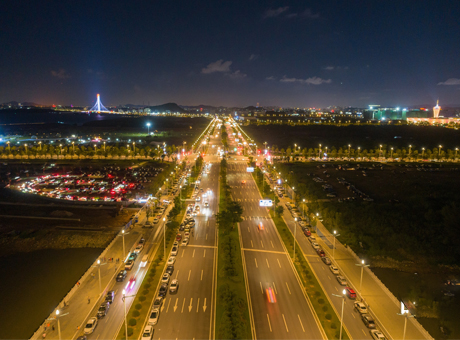
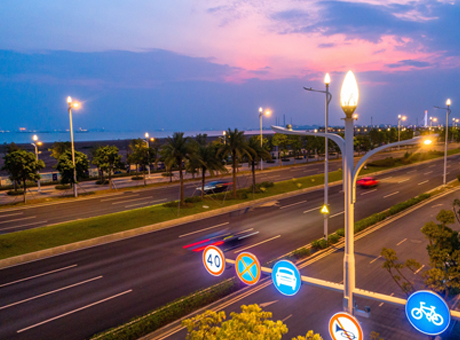
In South Tarawa, public street lighting projects demand durable components capable of operating on narrow causeways exposed to seawater splash. Our IP66 integrated LED streetlights provide uniform illumination, improving road safety. In remote areas like Kiritimati Island (Christmas Island) and the Outer Islands, where diesel fuel delivery is challenging, solar-powered systems provide reliable, off-grid lighting for communities and municipal facilities.
A guide for municipal planners, civil engineers, and distributors procuring outdoor lighting for high-salinity, equatorial regions.
Lithium Iron Phosphate (LiFePO4) chemistry is standard for tropical regions due to its thermal stability and cycle life. Systems should include active thermal management and overcharge/discharge protection within sealed IP67 battery enclosures.
Monocrystalline panels with anti-reflective, high-transmission tempered glass are preferred. In regions near the equator, sizing calculations must account for high ambient temperatures, which can reduce panel output, and the effects of dust accumulation.
Poles must be engineered to withstand regional wind velocities. Cylindrical and octagonal tapered designs fabricated with high-tensile steel (e.g., Q235 or Q345) and reinforced anchor flanges provide necessary structural stability.
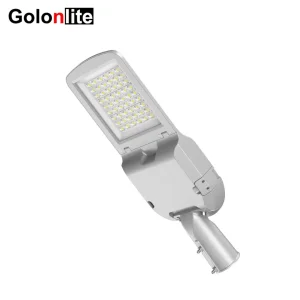
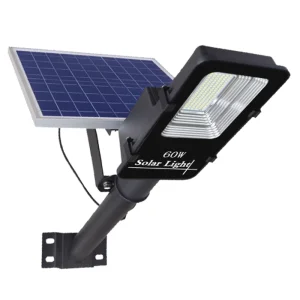
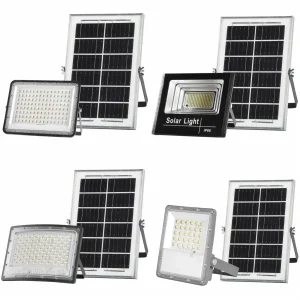
Select from our range of street, path, and security lighting products, customizable to meet specific municipal and project requirements.
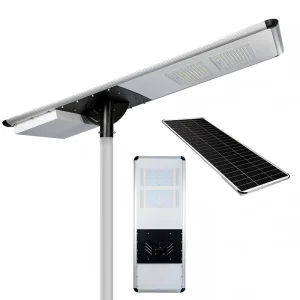
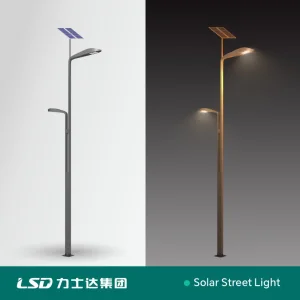
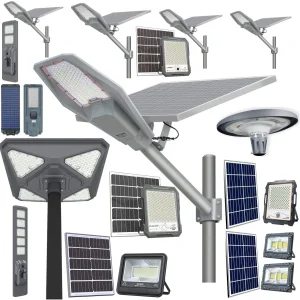
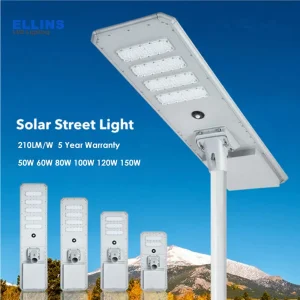
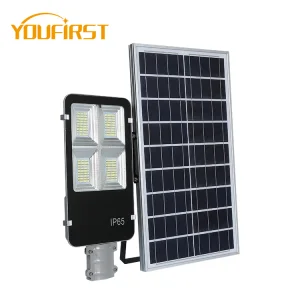
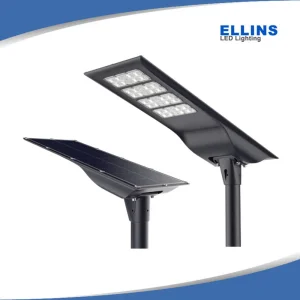
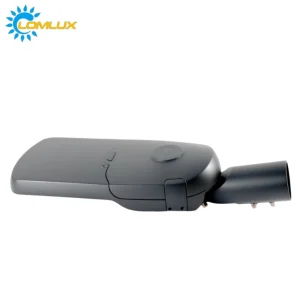
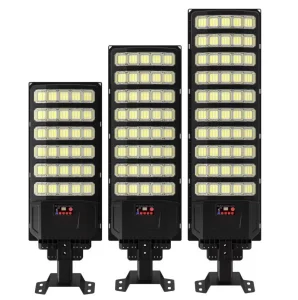
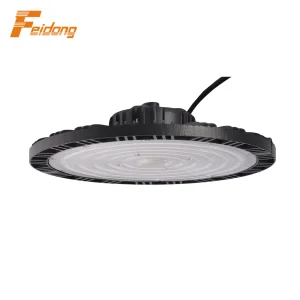
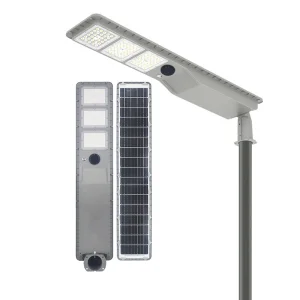
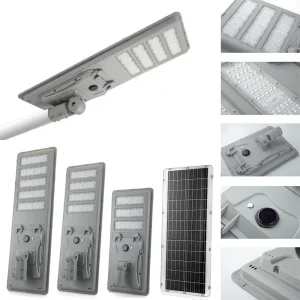
Technical specifications and logistical details for project planners and sourcing managers.
Our street and garden light poles are hot-dip galvanized both internally and externally in accordance with ASTM A123 / EN ISO 1461 standards, providing a base layer of zinc protection. Additionally, we apply a multi-stage electrostatic polyester powder finish to resist salt air, high humidity, and UV radiation, typical of ISO 12944 C5-M marine environments.
Yes. Our solar street lights are configured with LiFePO4 batteries sized for 3 to 5 consecutive rain-day autonomy (the period the system runs without solar input). The integrated smart MPPT charge controllers dynamically adjust LED output using dimming profiles and motion sensors, ensuring lighting runs throughout the night.
We coordinate logistics from our factory in Jiangsu, China, shipping via major Chinese ports (such as Shanghai or Qingdao) to Betio Port in South Tarawa. Typical production lead time is 20 to 30 days, depending on custom requirements like pole heights or customized brackets, followed by standard ocean transit times to the Pacific region.
We provide full customization, including custom wind load engineering, pole heights (up to 16 meters in a single bend), dual-arm configurations, custom RAL powder coat colors, specialized bracket options, and varying LED driver settings (such as 0-10V dimming or photocell integration).
Ready to discuss your project requirements? Our technical team is available to assist.
Request a Custom Design & Quote Star Lighting