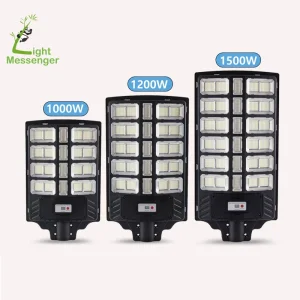
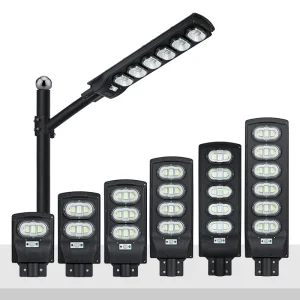
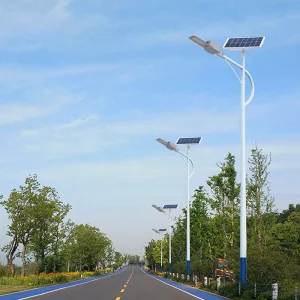
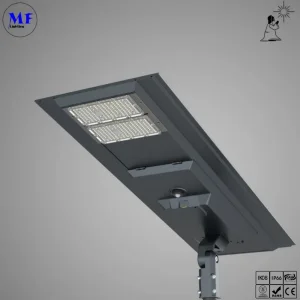
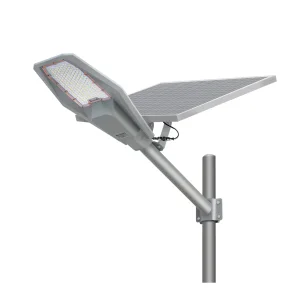
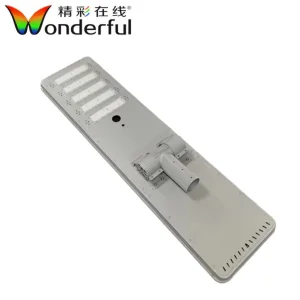
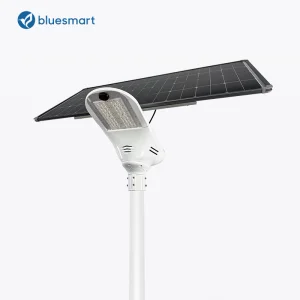
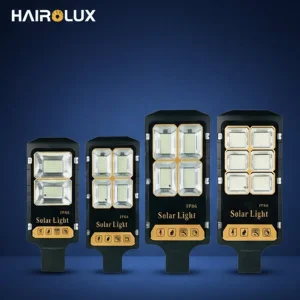
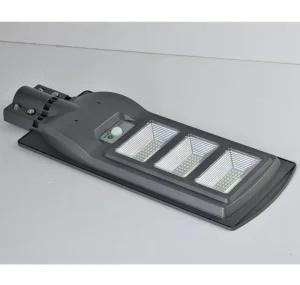
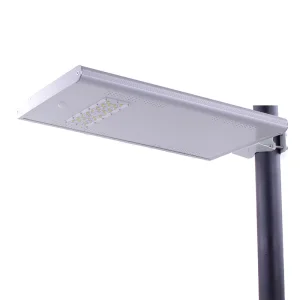
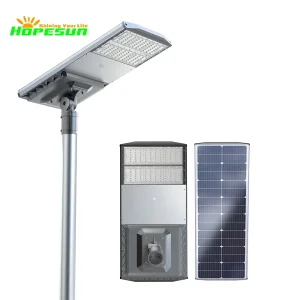
Engineered for extreme performance and dynamic lighting management in modern urban developments.
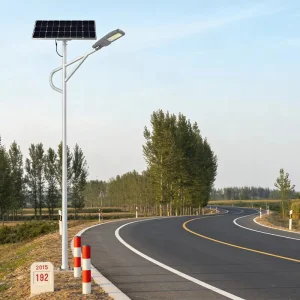
As one of East Africa's fastest-growing economies, Rwanda is positioning itself as a pioneer in smart city infrastructure and sustainable urban development. With the progressive realization of the Kigali Smart City Master Plan and large-scale public initiatives driven by the Ministry of Infrastructure (MININFRA), the demand for high-efficiency, remote-controlled municipal street lighting has surged dramatically. Standard grid-tied lighting systems face operational challenges due to mountainous geographic dynamics and grid integration costs. As a result, off-grid smart solar street lighting has emerged as the definitive solution to bridge the infrastructural gap in both urban expressways and remote communities.
Traditional municipal lighting imposes high operational expenditures (OPEX) from continuous grid power bills and manual maintenance cycles. Remote-controlled solar installations yield immediate ROI by eliminating electricity consumption costs and slashing physical inspections by up to 80% through automated diagnostics.
Equipped with smart protocols like LoRaWAN, Zigbee, and NB-IoT, our systems permit remote scheduling, real-time dimming, battery health monitoring, and system telemetry feedback directly to centralized municipal dashboards.
Featuring corrosion-resistant hot-dip galvanized steel components, IP66-rated ingress enclosures, and advanced MPPT solar controllers, our systems are built to withstand high UV indices and intense seasonal downpours typical of Rwanda's tropical climate.
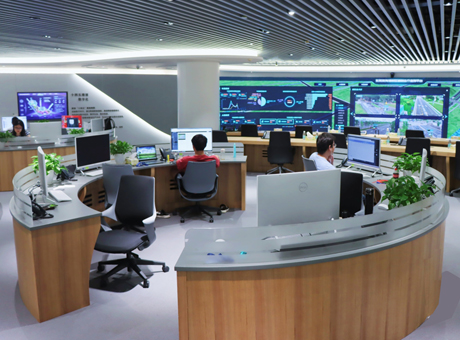
Rwanda's famous hilly geography ("Land of a Thousand Hills") creates localized macro-environments where grid extension is not only financially prohibitive but physically challenging. Furthermore, physical routine maintenance in steep terrains or remote rural roads in the Western and Northern Provinces is incredibly labor-intensive. By implementing remote control capabilities, engineers and municipal operators can execute diagnostic assessments, change lighting intervals, adjust light output based on traffic denseness, and receive failure alarms from a single operations room in Kigali. This dramatically minimizes logistical overheads while keeping local infrastructure reliable.
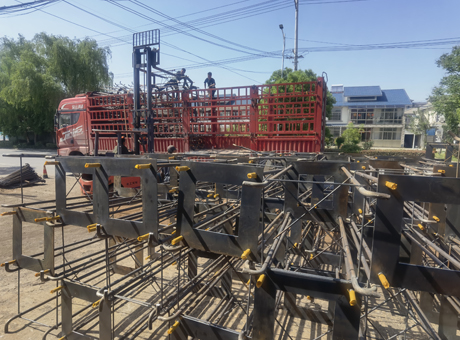
Behind every high-performance light pole is a standardized, automated manufacturing process. Jiangsu Star Lighting Technology Co., Ltd. stands as an integrated leader in the urban lighting industry, merging product R&D, lighting design, production, and long-term maintenance services. We operate heavy-duty industrial machinery to deliver robust, high-volume batches with uncompromising structural integrity.
| Manufacturing Asset | Technical Capability & Specifications | Operational Value for Rwanda Municipalities |
|---|---|---|
| 1200-Ton CNC Hydraulic Bending Machine | 16-Meter single-forming capability for octagonal and conical poles. | Ensures high wind-resistance and structural integrity without weld seams up to 16m. |
| Fully Automatic CNC Parallel Welding Pipe Line | High precision, continuous submerged arc welding. | Prevents mechanical failure at stress points on structural poles. |
| Dual Automated Powder Coating Lines | Electrostatic spraying with thermosetting powder coatings. | Excellent corrosion and UV resistance, crucial for humid lakeside applications. |
| Photometric Testing Lab (CAD & 3D Modeling) | Comprehensive IES-standard light distribution analysis. | Delivers precise light dispersion maps to avoid light pollution and maximize road safety. |
Our raw manufacturing capacity is matched by a strong, resilient global supply chain. For Rwandan B2B clients, importing directly from our factory via established maritime lanes through Dar es Salaam (Tanzania) or Mombasa (Kenya) corridors ensures reliable delivery timelines. Jiangsu Star Lighting has the capability to supply customized structural modifications designed against regional wind-load requirements, matching exact design parameters of international projects.
A single lighting configuration does not fit every zone. In order to build a sustainable network, we have engineered dedicated configurations optimized for specific micro-climates and usage profiles across Rwanda.
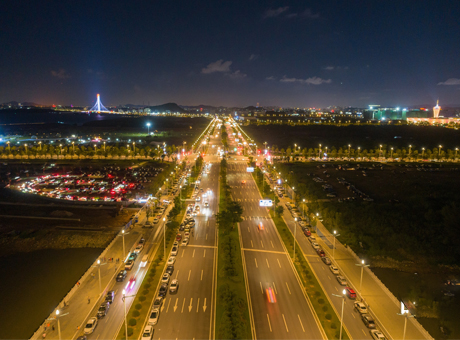
High-density expressways require continuous, glare-free illumination. By employing remote timing and radar induction street lights with mono-crystalline solar panels, municipalities can dynamically dim lights during low-traffic windows (e.g., 1 AM to 4 AM) and automatically ramp up to 100% capacity upon vehicle detection, conserving battery cycles.
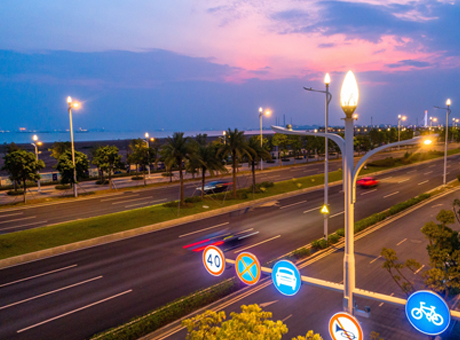
Lakeside environments exhibit high atmospheric moisture and humidity. Our structural lighting systems utilize heavy hot-dip galvanized steel poles (ISO 1461 standard) coupled with marine-grade outdoor powder coatings to prevent oxidation, rusting, and chemical degradation from the elements.
In environmentally sensitive zones surrounding the Volcanoes National Park, light pollution must be strictly controlled to safeguard biodiversity. Our smart controllers feature programmable night dimming curves that reduce light spillage while ensuring adequate pedestrian safety.
Essential engineering and procurement insights for remote control solar street light deployment in East Africa.
Connect directly with our engineering team for customized drawings, photometric design reports, and direct factory pricing.
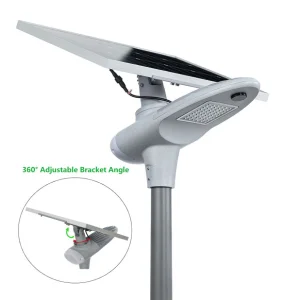
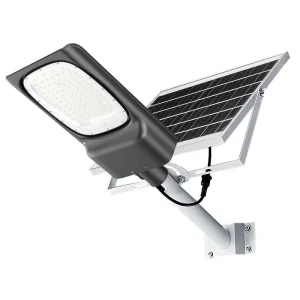
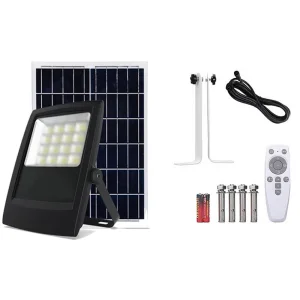
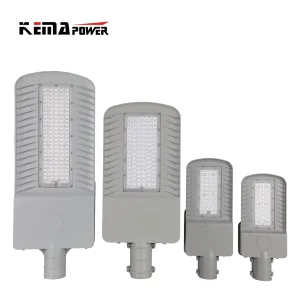
Send Inquiry NowExplore our complete range of remote-controlled, high-lumen solar street lighting configurations.
 Star Lighting